
Is today’s architectural agenda too focused on sustainability?
This year I had the privilege of serving as a jury member in the Public Space category at the TDA Awards 2025. With hundreds of entries from all over the world and an international jury representing Europe, America, and Asia, the sessions were intense—full of debate and questions without easy answers.
One of the most recurring was precisely this: are we putting all our energy into sustainability… and forgetting other dimensions of architecture?
The word “sustainable” appears in almost every project. Some take it to the extreme: I remember an installation made with thousands of recycled straws, presented as an example of sustainability. But is it enough for a project to declare itself “super sustainable” to deserve an award? How do you really measure that added value?
The challenge is that each entry is presented on a single A3 sheet with just a few images and a short text. Evaluating the sustainability of a building—or comparing it to that of an ephemeral installation—with such limited information is nearly impossible. And beyond that, criteria vary depending on geography: what Europe or the United States considers sustainable may not make sense in Asia, where climatic, seismic, and social conditions are very different.
Let’s think about materials:
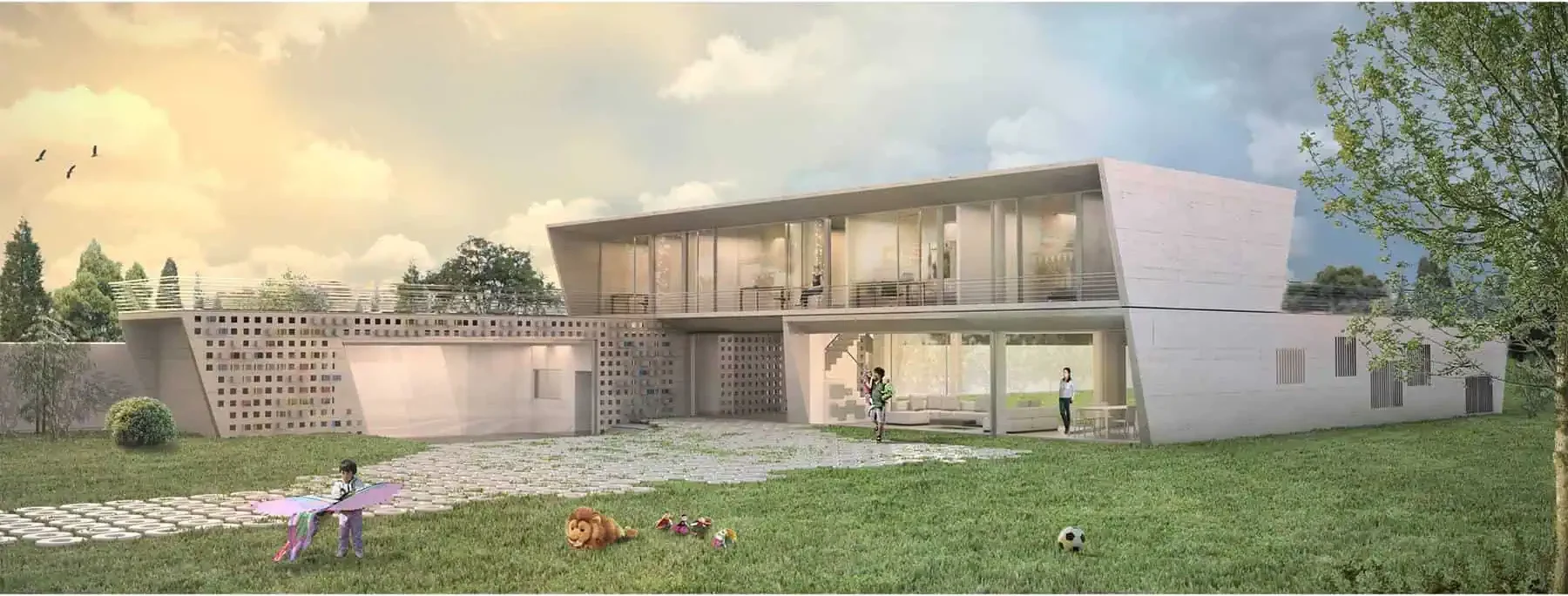
Concrete has a huge environmental footprint, but it provides resistance to earthquakes and typhoons. It also allows building at height, increasing urban density, which reduces transport needs and improves access to services.
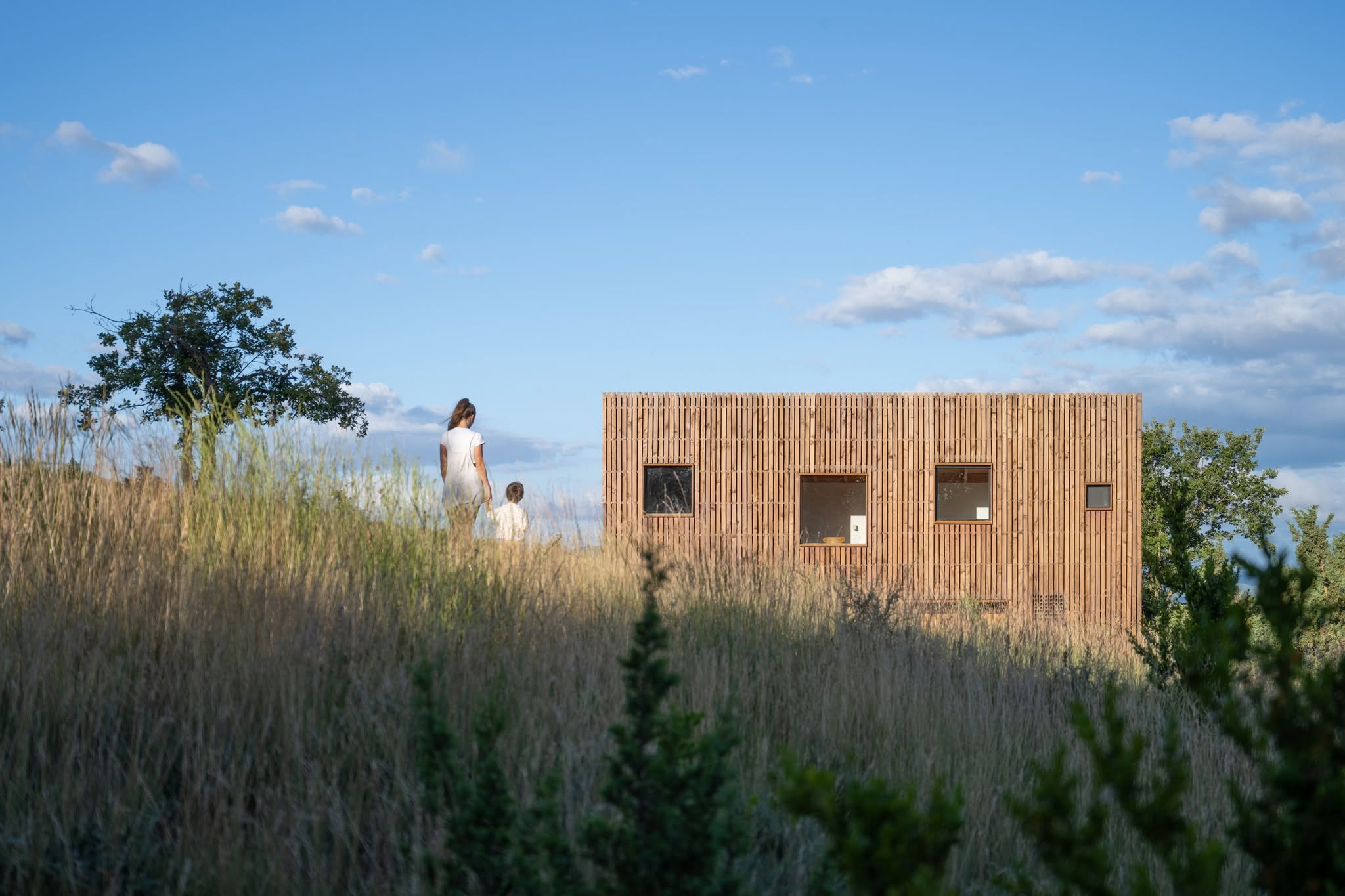
Wood captures CO₂ and is recyclable, but in high-humidity or seismic-risk regions like Taiwan, it’s prohibited beyond a few floors due to safety concerns.
Even PVC, once criticized for its fossil fuel origins, is now presented as energy-efficient and recyclable… though no one knows if it will actually be recycled in 50 years.
Sustainability is a relative concept, difficult to evaluate and full of nuances. And while it’s positive that it has entered the agenda of design awards, it shouldn’t overshadow other values of architecture, such as:
– The usefulness of spaces.
– The ability to solve social problems.
– The way it improves our cities.
– The experiences it enables for those who inhabit it.
– The positive impact it has on people’s daily lives.
In the end, architecture is not just a calculation of carbon footprint. It is also culture, community, resilience, and quality of life.
What do you think?